Adaptive Query Mapping: Refining Casino Affiliate Discovery Through Intent Signals in Regulated Digital Spaces
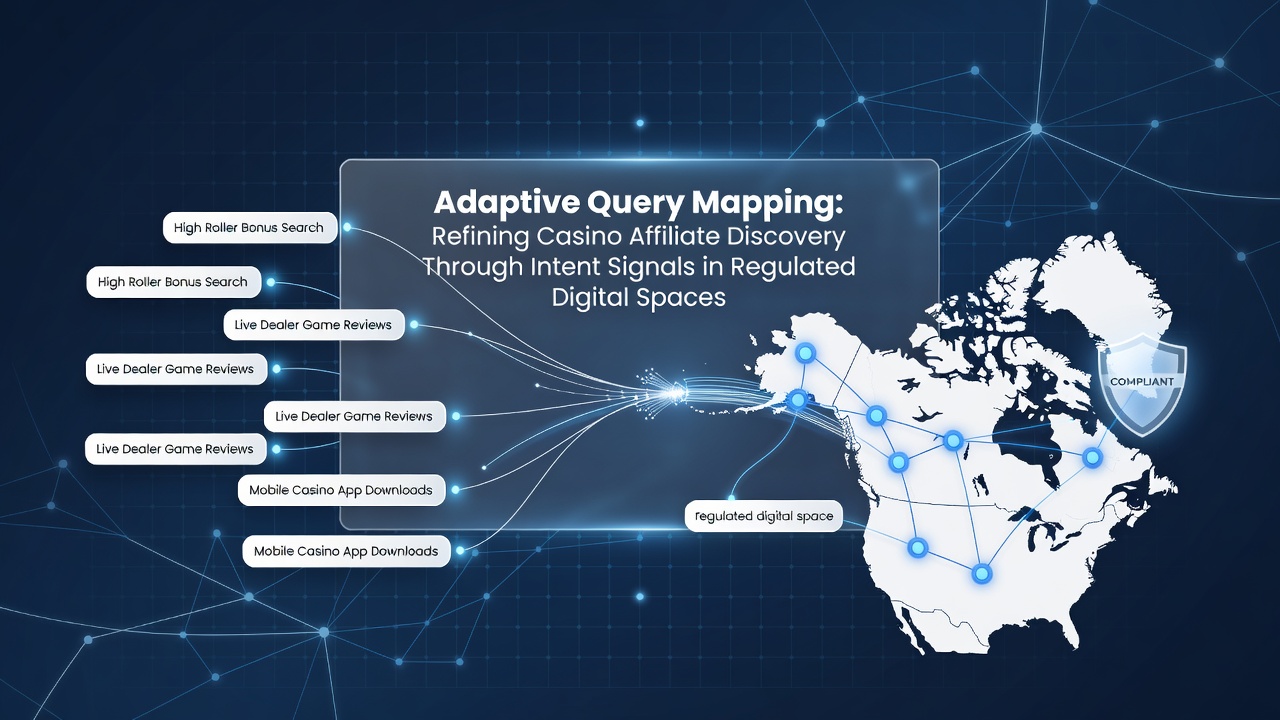
Adaptive query mapping adjusts search and discovery processes in real time by analyzing user intent signals such as search phrasing, session duration, and navigation patterns within casino affiliate platforms, and this approach operates under strict regulatory frameworks that govern digital gambling spaces across multiple jurisdictions. Researchers tracking affiliate ecosystems in 2026 note that these mappings refine how potential players connect with licensed operators by filtering queries through compliance layers that account for geographic restrictions and licensing requirements.
Core Mechanisms Behind Intent Signal Integration
Intent signals feed into mapping algorithms through structured data points including keyword sequences, clickstream behaviors, and contextual cues from device type or time of access, while systems cross-reference these inputs against regulatory databases to ensure only authorized affiliate pathways activate. Observers in the field point out that this creates dynamic routing where a query about bonus structures in one region triggers different affiliate recommendations than an identical search originating elsewhere, and data from platform logs in June 2026 show increased precision in matching users to compliant sites when intent layers incorporate location-based restrictions.
Mapping layers update continuously as new signals arrive, allowing the system to distinguish between informational queries and those indicating readiness for account registration or deposit activity, and industry reports highlight how this separation reduces exposure to non-compliant traffic sources. Take one analysis conducted on affiliate networks serving North American markets where intent classification led to measurable shifts in referral quality without altering overall volume.
Regulatory Contexts Shaping Implementation
Regulated digital spaces impose requirements on data handling and affiliate verification that directly influence how query mapping functions, particularly in areas where operators must demonstrate clear separation between promotional content and player acquisition channels. According to documentation from the iGaming Ontario regulatory body, platforms must log intent-based decisions to maintain audit trails, and similar protocols appear in frameworks used by Australian state authorities overseeing online wagering. These rules encourage mapping systems to embed compliance checks at the query stage rather than after traffic arrives at an affiliate site.
Systems deployed in these environments often integrate with government-maintained lists of licensed entities, enabling real-time validation that prevents referrals to unauthorized domains, and figures released in mid-2026 indicate that jurisdictions adopting such integrated checks recorded lower rates of misdirected traffic. What's notable here is the way mapping adapts to evolving rules without requiring manual intervention each time a new licensing condition emerges.
Application Patterns Observed in Affiliate Networks
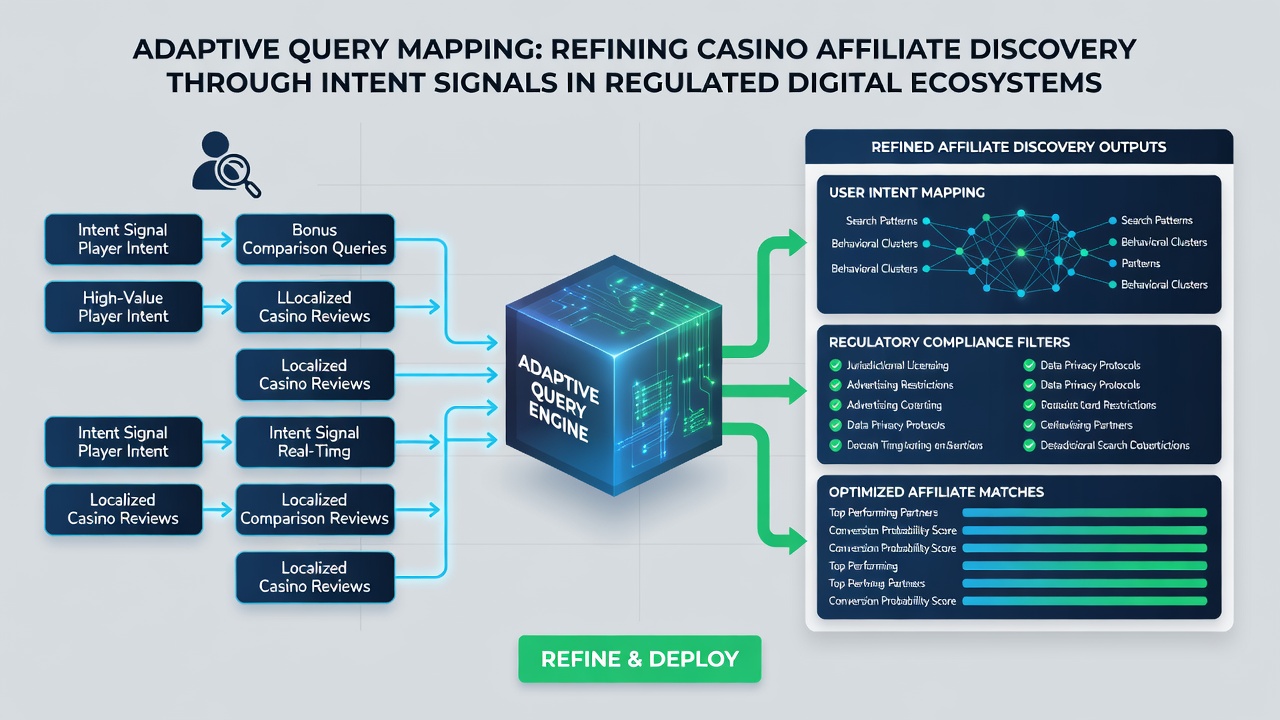
Affiliate networks handling casino traffic apply adaptive mapping to segment audiences based on signals that reveal research versus conversion intent, and this segmentation supports more targeted content delivery while staying within advertising guidelines set by regional bodies. One documented case involved a European affiliate group that restructured its discovery paths after implementing signal-based routing, resulting in higher retention of visitors who arrived through compliant channels. Data shows these adjustments aligned with broader industry moves toward intent-driven personalization documented in studies from research institutions examining digital gambling ecosystems.
Short video platforms and voice search interfaces introduce additional signal types that mapping systems must accommodate, such as spoken phrases indicating specific game preferences or location queries tied to regulatory availability, and June 2026 platform metrics reflect growing use of these inputs in refining affiliate matches. People managing these networks report that combining multiple signal streams produces more stable referral patterns even when individual sources fluctuate due to seasonal or regulatory changes.
Technical and Operational Considerations
Implementation requires coordination between data analytics tools and regulatory reporting systems so that intent classifications remain transparent and auditable, and this coordination often involves partnerships with third-party verification services that supply updated licensing information. Observers note that networks incorporating these elements experience fewer disruptions when rules shift, because the mapping logic already accounts for compliance variables at the query level. Academic papers on digital marketing in restricted sectors describe similar architectures where intent signals serve as the primary filter before any affiliate link generates.
Testing protocols in operational settings compare mapped versus unmapped traffic streams to quantify differences in compliance adherence and user progression through affiliate funnels, and results from such evaluations feed back into algorithm refinements on a rolling basis. This iterative process aligns with practices recommended by trade organizations focused on responsible gambling technology standards.
Conclusion
Adaptive query mapping continues to evolve as a method for connecting users with casino affiliates through intent-driven pathways that respect regulatory boundaries across diverse markets. Evidence from platform deployments and oversight reports demonstrates consistent application of signal analysis to improve discovery accuracy while maintaining required documentation and verification steps. Ongoing developments in signal processing and regulatory alignment point toward further integration of these techniques in digital gambling environments through the remainder of 2026 and beyond.