Charting Cross-Border Affiliate Links: How Regulatory Shifts Reshape Casino Traffic Channels in Digital Gambling
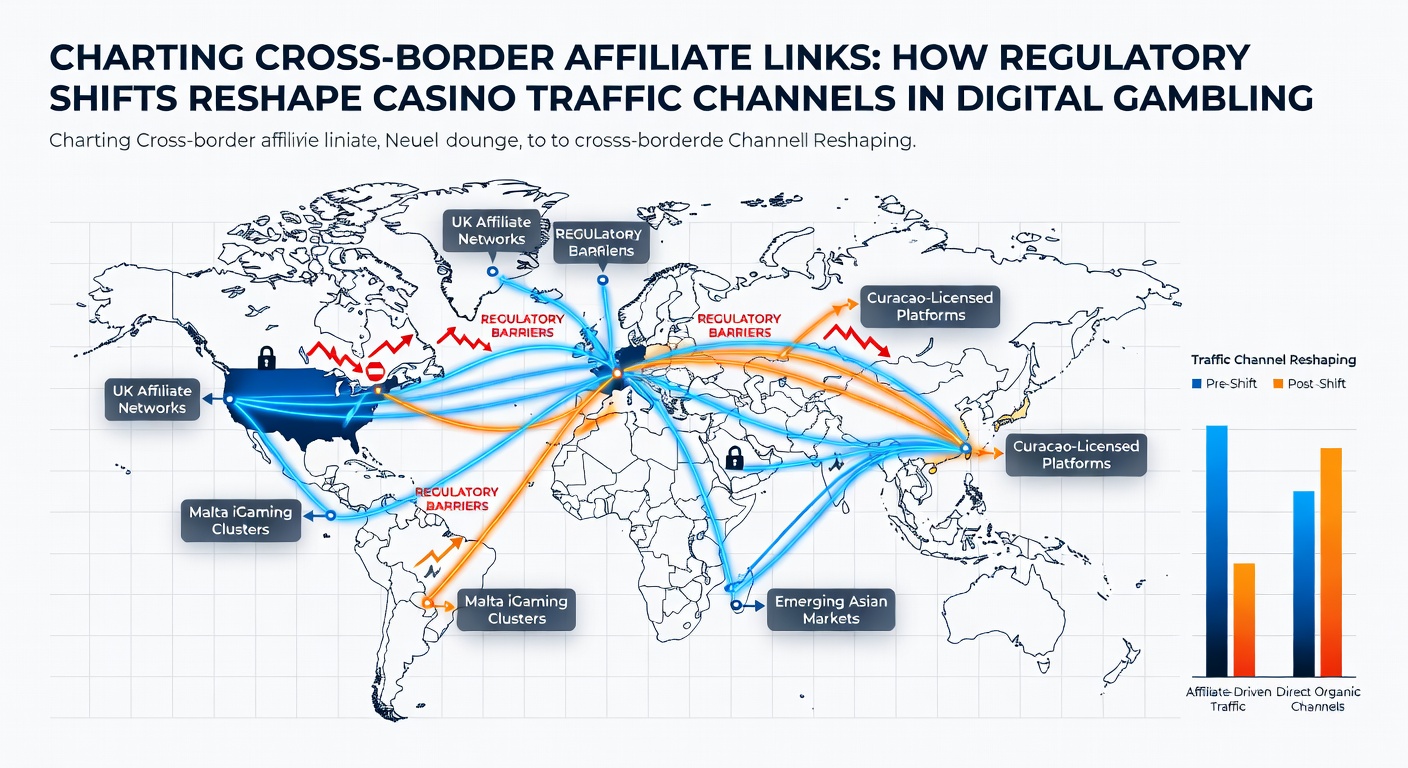
Regulatory developments across multiple regions continue to influence how affiliate networks route traffic to online casino platforms, particularly when links cross national borders. Operators and affiliates navigate frameworks that differ sharply between jurisdictions, and these variations affect everything from link placement to revenue tracking methods. In May 2026 several jurisdictions released updated compliance guidelines that directly address cross-border data flows and affiliate compensation structures, prompting immediate adjustments in traffic routing practices.
Mapping the Structure of Cross-Border Affiliate Networks
Affiliate programs connect operators in one licensing jurisdiction with players located in another, yet each market imposes its own licensing, taxation, and advertising rules. Researchers at the University of Nevada Reno documented that affiliate traffic originating from the United States often terminates at platforms licensed in Canada or the European Union, where different tax regimes apply. These arrangements require precise geo-location verification and separate reporting streams to satisfy authorities in both the source and destination markets. Data from the Alcohol and Gaming Commission of Ontario shows a 27 percent increase in reported affiliate-driven registrations from outside Canada between January and April 2026, highlighting the volume of cross-border activity already underway.
Regulatory Changes Affecting Traffic Channels in 2026
Multiple regulatory bodies implemented or proposed modifications to advertising and affiliate rules during the first half of 2026. The Alcohol and Gaming Commission of Ontario introduced enhanced disclosure requirements for affiliate marketing partnerships that involve operators outside the province, requiring clearer separation between marketing content and direct player acquisition claims. In Australia the Australian Communications and Media Authority updated its guidance on digital advertising of gambling services, specifying that affiliate links targeting Australian residents must carry additional risk warnings and cannot route through servers located in jurisdictions without equivalent consumer protections. These updates took effect in stages, with full compliance deadlines set for late summer 2026.
European jurisdictions also advanced coordinated measures. The European Commission released a working paper in March 2026 that examined how affiliate remuneration models intersect with cross-border service provision under the Digital Services Act. Although the paper did not impose new binding rules, several member states began aligning national enforcement practices with the recommendations, resulting in revised affiliate contract templates that include explicit clauses on data residency and player fund segregation.
Observed Shifts in Traffic Routing and Channel Selection
Operators responded to these regulatory signals by diversifying the channels through which affiliate traffic reaches their sites. Instead of relying solely on direct affiliate links, several major platforms began routing portions of cross-border traffic through licensed comparison sites and aggregator platforms that already maintain compliance certifications in multiple markets. This approach reduces the number of direct cross-border connections that require separate regulatory filings. Industry reports compiled by H2 Gambling Capital indicate that aggregator-mediated affiliate traffic grew by 19 percent year-over-year in markets with recent regulatory tightening.
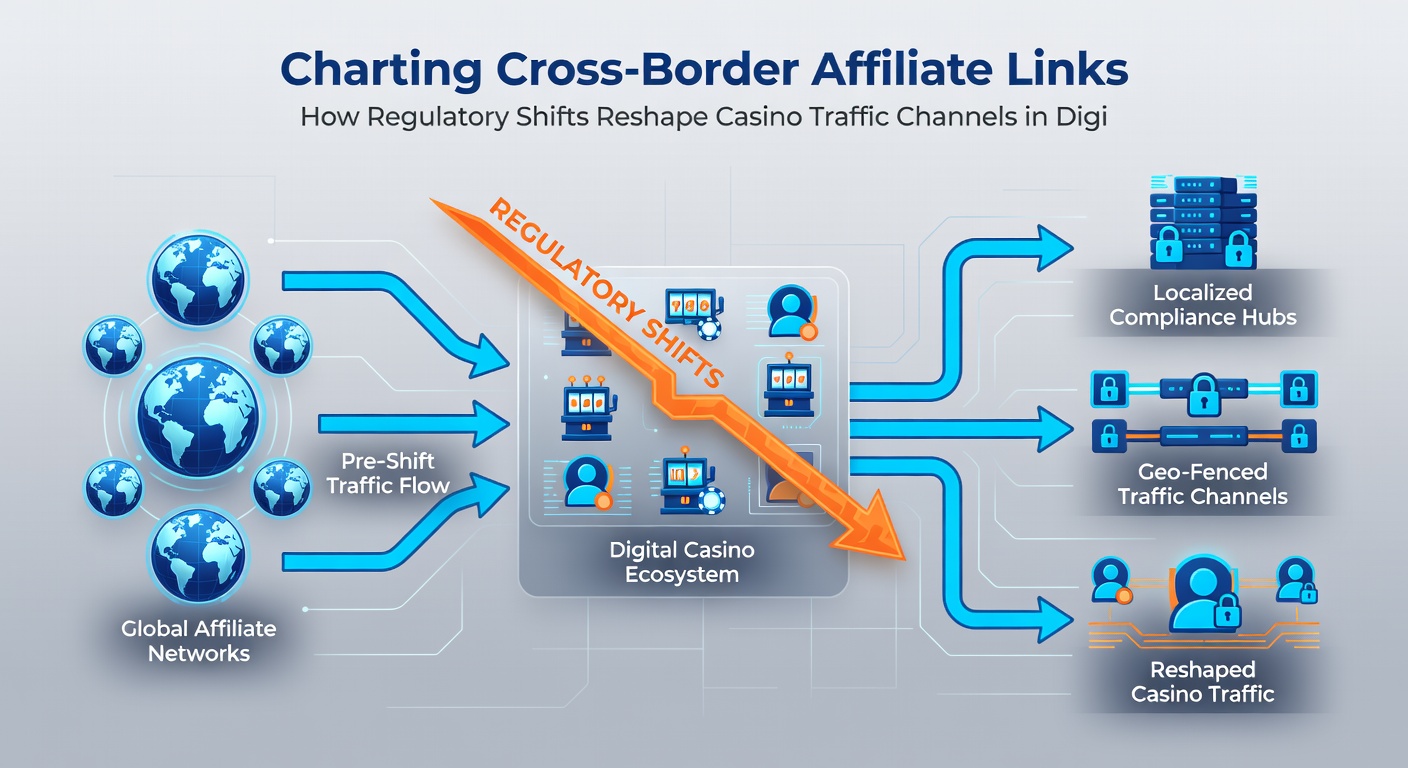
Payment processing requirements also influenced channel selection. Jurisdictions that mandate local payment gateways for player deposits effectively limit which affiliate links can complete a transaction without triggering additional compliance checks. Affiliates therefore concentrated activity on operators that already integrate these gateways, while reducing promotion of platforms that rely on international processors. Observers note that this concentration has produced measurable consolidation among the affiliate partners receiving the largest shares of cross-border referrals.
Compliance Tools and Tracking Adjustments
Tracking software providers updated their platforms to accommodate new reporting fields required by regulators. These fields capture the jurisdiction of both the affiliate and the player at the moment of registration, allowing operators to demonstrate compliance during audits. Several providers introduced automated geo-fencing at the link level, ensuring that users from restricted markets never receive active affiliate links from operators without appropriate licensing. The Canadian Gaming Association published technical standards in April 2026 that describe acceptable methods for implementing such controls, and these standards quickly became reference material for operators operating across the Canada-United States border.
Conclusion
Cross-border affiliate activity remains a significant component of digital gambling traffic, yet regulatory developments throughout 2026 continue to reshape the permissible routes and documentation required. Jurisdictions in North America, Europe, and Australia have each introduced measures that affect link placement, data handling, and channel selection. Operators and affiliates that maintain separate compliance processes for each market have demonstrated the ability to sustain traffic volumes while meeting updated requirements. Continued monitoring of enforcement actions and guideline revisions will determine how these patterns evolve through the remainder of the year.