Decoding Visual Engagement Patterns From Short Video Platforms to Inform Content Creation for Gambling Promotions
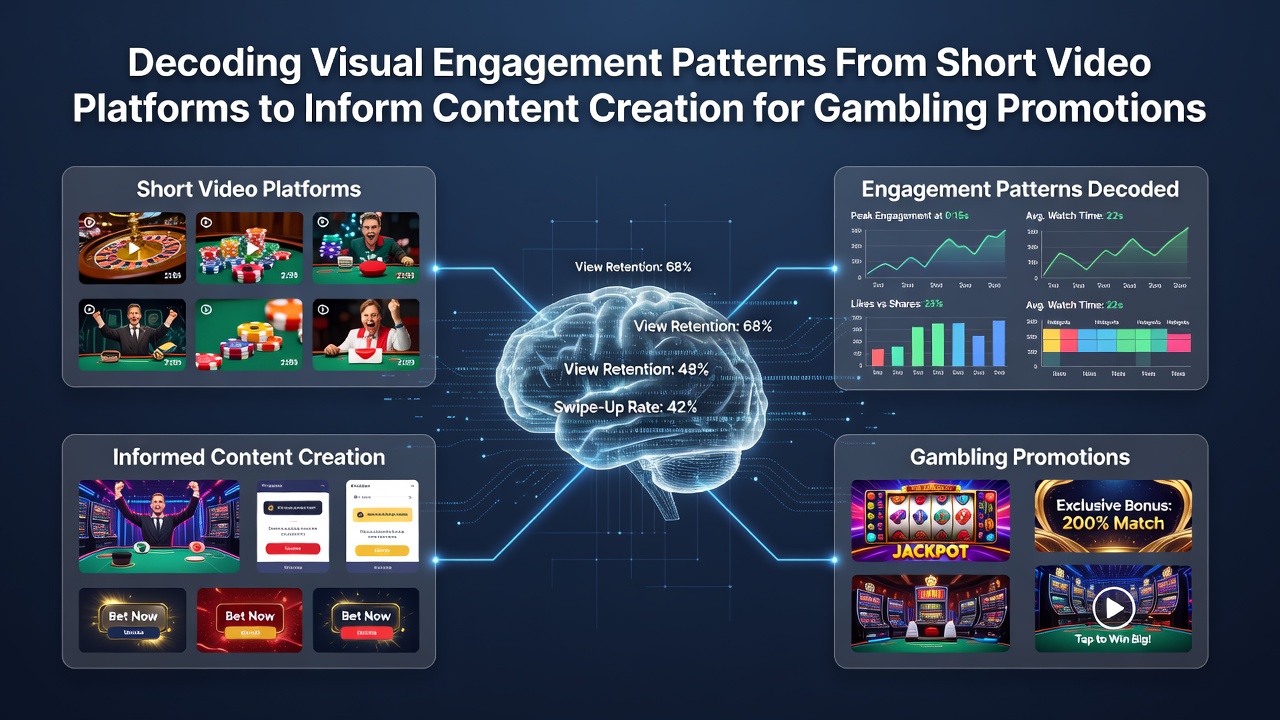
Short video platforms continue to shape how gambling operators reach audiences through quick, visually driven content that captures attention in seconds. Researchers track eye movement data and completion rates to identify which visual elements hold viewer interest longest while staying within regulatory boundaries. Platforms like TikTok, Instagram Reels, and YouTube Shorts generate billions of daily views, and gambling promotions must compete within that environment using precise visual cues rather than lengthy explanations.
Core Patterns in Viewer Attention
Studies reveal that motion within the first three seconds increases average watch time by measurable margins, yet static text overlays placed in the upper third of the frame maintain focus when movement pauses. Color contrast plays a consistent role as well; operators note higher interaction rates when high-saturation hues appear against darker backgrounds, particularly in clips promoting live casino tables or slot features. Faces directed straight at the camera correlate with improved retention compared to side profiles or overhead shots, according to aggregated platform analytics shared at industry conferences in early 2026.
Sound design works alongside visuals but often takes secondary priority. Muted videos with strong visual rhythm still achieve solid completion rates, while loud audio without matching motion tends to prompt early exits. Researchers at several universities have mapped these combinations and found that brief on-screen prompts, such as a spinning wheel graphic or card reveal, produce measurable spikes in rewatch behavior when timed between four and seven seconds into a clip.
Data Collection Methods Used by Analysts
Teams rely on heat-mapping tools and frame-by-frame completion tracking to quantify engagement. These systems record where viewers pause, rewind, or exit, then translate the data into repeatable templates for future promotions. Public reports from regulatory bodies in Australia and Canada have documented similar approaches, noting that operators who adjust content based on these metrics see steadier traffic patterns without increasing spend. In June 2026 several regional authorities released updated guidance encouraging transparent reporting of visual testing results to ensure promotions remain compliant across jurisdictions.
Translating Patterns Into Content Frameworks
Content teams break successful clips into modular segments: an attention-grabbing opener, a mid-clip demonstration, and a closing call that avoids direct calls to action in restricted markets. One widely observed structure places a rapid sequence of wins or near-misses in the first half, followed by slower, clearer branding elements. This sequencing aligns with documented viewer behavior showing that early reward imagery sustains interest while later branding solidifies recall.
Operators also test aspect ratios and vertical orientation adjustments because most traffic arrives through mobile feeds. Slight cropping changes or repositioning of key graphics can shift engagement metrics noticeably. Data from multiple campaigns indicates that clips optimized for vertical viewing without horizontal elements maintain higher average view durations than repurposed horizontal footage.

Regional Variations and Platform Differences
Engagement patterns shift depending on geography and platform algorithms. North American audiences respond more strongly to fast-paced transitions and bold typography, whereas European viewers show steadier attention when clips incorporate subtle animations and neutral color palettes. Asian markets often favor high-energy music paired with rapid visual cuts, based on cross-border campaign summaries released by trade groups. These differences require localized testing rather than universal templates.
Platform-specific rules add another layer. TikTok's recommendation system rewards completion rates above 70 percent more aggressively than other networks, pushing creators to refine pacing accordingly. Instagram Reels place greater weight on shares and saves, which visual analysts link to memorable closing frames that users want to revisit later. YouTube Shorts blend both metrics, creating hybrid optimization needs for teams managing multi-platform campaigns.
Regulatory Context in Mid-2026
Authorities continue to monitor how visual content influences player behavior. Updated frameworks from bodies such as the Responsible Gambling Council emphasize clear disclosure of promotional intent within the first few seconds of any video. Similar guidance issued by Australian state regulators stresses that visual elements must not imply guaranteed outcomes or target vulnerable demographics through specific imagery. Operators incorporate these requirements by embedding age-verification prompts and balanced win-loss messaging directly into video sequences rather than relying on separate disclaimers.
Practical Implementation Steps
Teams begin by establishing baseline metrics from existing short-form content, then run controlled A/B tests on isolated visual variables. They track completion curves, click-through rates where permitted, and downstream registration numbers to validate which patterns translate into compliant acquisition. Documentation of these tests supports internal review processes and external reporting obligations.
Collaboration between creative staff and data analysts has become standard. Weekly review sessions compare new clips against historical benchmarks, allowing incremental refinements rather than wholesale redesigns. This iterative approach reduces production costs while maintaining alignment with observed viewer preferences across different regions and platforms.
Conclusion
Visual engagement data from short video platforms supplies gambling promotion teams with concrete inputs for content decisions. By mapping attention patterns, testing modular structures, and respecting regional regulatory updates through June 2026, operators refine their approach without relying on guesswork. Continued collection of platform-specific metrics supports ongoing adjustments that keep promotions visible and compliant within evolving digital environments.