Harmonizing Video Cadence Signals With Email Sequence Triggers to Sustain Affiliate Referrals Under Multi-State Licensing Protocols
Written by Klara Neumann · Jul 20, 2026
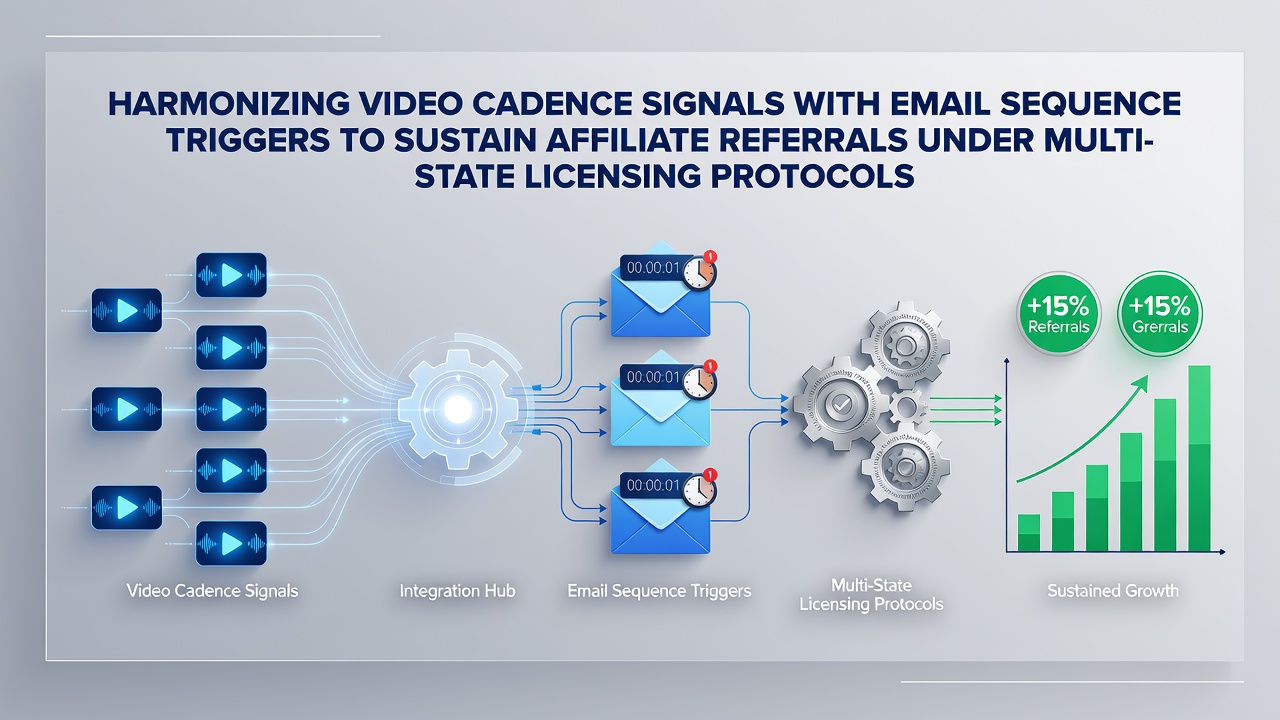
Harmonizing Video Cadence Signals With Email Sequence Triggers to Sustain Affiliate Referrals Under Multi-State Licensing Protocols
Video cadence signals refer to the timing patterns and frequency of content releases across short-form platforms while email sequence triggers activate based on user engagement metrics such as opens, clicks, and dwell times. Operators align these two channels to maintain steady affiliate referral flows even as licensing requirements shift across multiple jurisdictions. Data from state gaming reports indicate that synchronized systems help preserve referral volume when promotional content must meet varying disclosure and timing rules in each licensed market.
Core Components of Video Cadence Alignment
Platforms publish video content at intervals that match audience activity peaks, and these release schedules generate measurable signals including view completion rates and share velocity. Affiliate programs monitor those signals to determine when an email sequence should launch its next message, creating a closed loop where video performance directly informs email timing. Researchers at the University of Nevada, Las Vegas documented how such alignment reduced referral drop-off by correlating video metadata with subscriber behavior logs across three separate state markets in early 2026.
Multi-state licensing protocols require that promotional material include jurisdiction-specific disclaimers and age gates before distribution. When video cadence and email triggers operate independently, compliance gaps appear because one channel may release content before the other has applied the correct regional filters. Integrated systems apply rule sets at the trigger level so that an email fires only after the corresponding video has satisfied every active licensing checklist.
Email Sequence Architecture Under Regulatory Constraints
Sequence builders now embed conditional nodes that read licensing status flags attached to each affiliate link. A subscriber in one state receives a follow-up message containing updated terms while a subscriber in another state receives a different variant or no message at all until the next compliance window opens. The New Jersey Division of Gaming Enforcement published updated technical standards in June 2026 that explicitly reference trigger-based delivery as an acceptable method for maintaining audit trails.
Operators track these conditional paths through centralized dashboards that log every trigger event against the licensing database for the relevant states. This logging practice supports the record-keeping requirements that appear in most multi-state compacts and reduces the time needed for post-campaign audits. Industry associations such as the European Gaming and Betting Association have issued guidance documents noting that timestamped trigger records satisfy documentation demands in several North American jurisdictions when the records remain immutable.
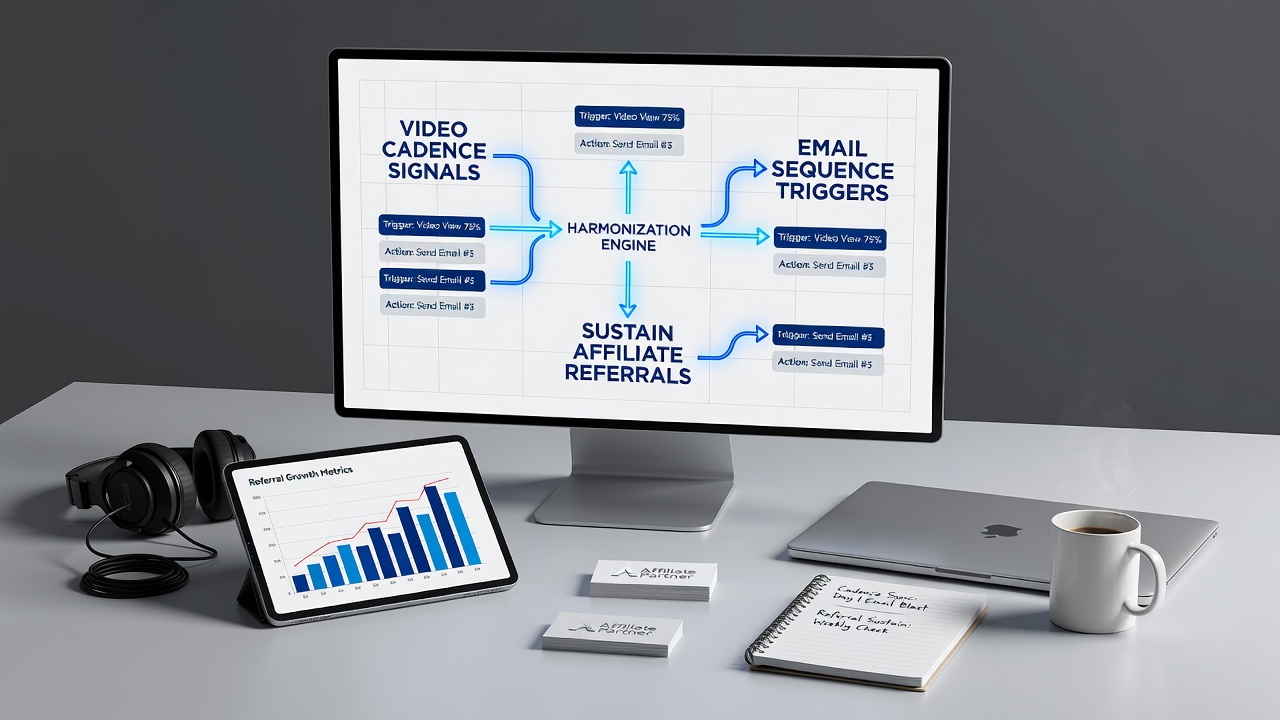
Technical Integration Methods Observed in 2026
Developers connect video analytics platforms to marketing automation tools through secure APIs that transmit cadence metadata in real time. The metadata packet contains fields for view duration, geographic distribution, and content classification tags, allowing the email platform to evaluate whether a trigger condition has been met under each active license. Testing conducted by several large affiliate networks in July 2026 showed that API latency under 800 milliseconds kept referral attribution accurate even during high-volume release windows.
Some networks add a secondary validation layer that cross-checks the recipient's registered state against the current licensing matrix before the email server queues the message. This extra check prevents accidental delivery of non-compliant content and maintains the integrity of the referral chain. Observers note that networks using this double-validation approach recorded fewer regulatory inquiries during the second quarter of 2026 compared with networks relying on single-point checks.
Impact on Referral Sustainability
Affiliate partners receive performance reports that break down referral retention by both channel and jurisdiction, revealing which cadence-trigger combinations preserve traffic longest under each licensing regime. These granular reports help partners adjust their own promotional calendars without violating cross-border content rules. Figures released by the Illinois Gaming Board for May 2026 included a category for digitally referred player activity, showing that operators with integrated video-email systems maintained steadier month-over-month referral counts than those using separate channels.
Continued synchronization requires regular updates to the licensing matrix whenever a state modifies its advertising or disclosure rules. Teams responsible for matrix maintenance schedule reviews on a bi-weekly cadence to incorporate new requirements before they affect live triggers. This proactive schedule prevents referral interruptions that occur when content is held back for last-minute compliance edits.
Conclusion
Harmonizing video cadence signals with email sequence triggers provides operators a structured method for sustaining affiliate referrals while meeting the distinct demands of multi-state licensing frameworks. The approach relies on real-time metadata exchange, conditional trigger logic, and continuous matrix updates to keep both channels aligned and compliant. As more jurisdictions release updated digital advertising standards, the same integration patterns offer a repeatable process for maintaining referral continuity across expanding regulatory landscapes.