Leveraging Heatmap Data to Refine Navigation Flows Across Casino Affiliate Portals in Restricted Markets
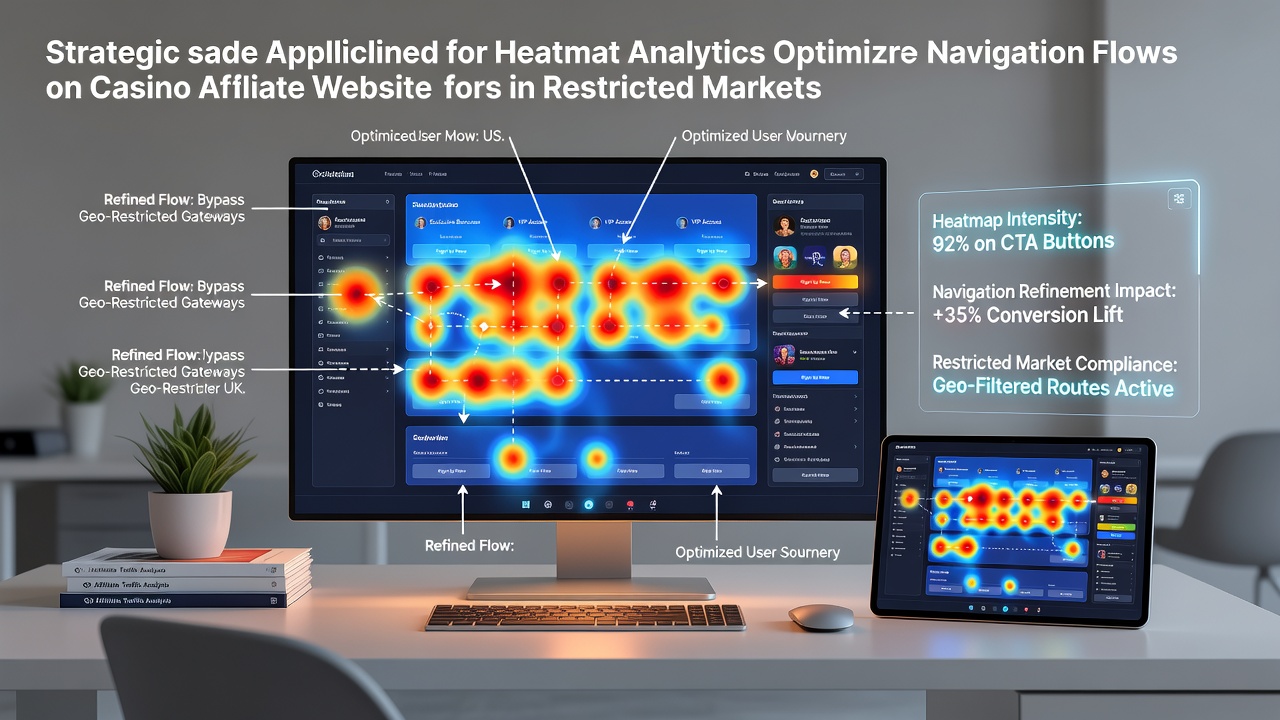
Heatmap analytics have become central tools for operators managing casino affiliate portals that serve users in regions with strict access rules, where direct navigation paths often encounter blocks or require compliant rerouting layers. Data collected through scroll maps, click maps, and attention maps reveals precise user behavior patterns that standard analytics platforms tend to overlook, particularly when traffic arrives via VPNs or geo-masked connections common in restricted jurisdictions. Operators tracking these visual datasets in early 2026 reported clearer identification of friction points that previously led to high exit rates on landing pages promoting licensed gaming options.
Understanding Heatmap Applications in Affiliate Environments
Affiliate portals operating across multiple restricted markets rely on layered navigation structures to maintain compliance while guiding visitors toward registration flows or review content, and heatmap overlays help pinpoint which menu items or call-to-action buttons receive the most interaction under varying connection conditions. Research conducted by analytics providers indicates that users in markets with intermittent restrictions exhibit distinct scrolling behaviors compared to unrestricted regions, often pausing longer on compliance disclaimers before proceeding deeper into site sections. These patterns emerge consistently when portals integrate heatmaps with session recording tools, allowing teams to adjust link placement and reduce unnecessary steps in the user journey.
Key Data Points from Recent Deployments
Figures compiled during monitoring periods that extended into June 2026 show average improvements in page progression rates after heatmap-driven redesigns on several multi-market affiliate platforms, with click density shifting toward streamlined pathways that bypass redundant regulatory notices. Observers note that attention heatmaps frequently highlight overlooked areas such as footer links or secondary navigation bars, where users in restricted zones seek alternative access methods when primary routes face temporary throttling. Portal managers who applied these insights adjusted internal linking hierarchies accordingly, resulting in measurable changes to dwell time distributions across desktop and mobile sessions alike.
Addressing Navigation Challenges Unique to Restricted Markets
Restricted markets introduce variables like fluctuating IP filtering and mandatory age-verification checkpoints that fragment standard user flows, yet heatmap data enables operators to map how these interruptions alter typical engagement sequences on affiliate sites. When combined with server-log analysis, the visual datasets expose clusters of abandoned sessions near geo-compliance gateways, prompting refinements such as repositioning verification prompts or consolidating multi-step forms into single-view interfaces. Industry reports from sources including the Responsible Gambling Council document similar behavioral shifts in Canadian provincial markets, where portal navigation adjustments based on interaction density led to sustained improvements in compliant traffic retention through mid-2026.
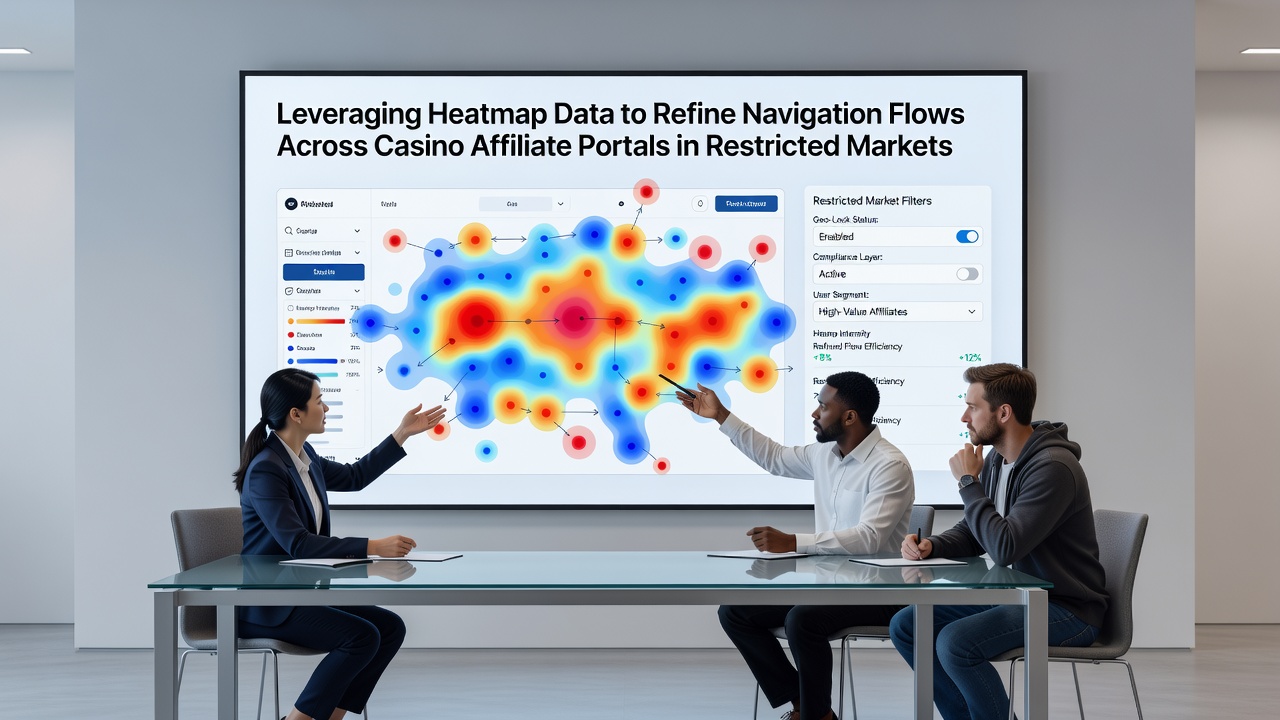
Portal teams have also leveraged segment-specific heatmaps to differentiate behavior between first-time visitors arriving through affiliate referrals and returning users who already cleared initial compliance layers, revealing that returning traffic tends to concentrate interactions on content hubs rather than promotional banners. This segmentation proves valuable when markets impose sudden rule changes, as seen in several Asia-Pacific jurisdictions during spring 2026, allowing rapid identification of which content blocks retain attention despite external disruptions.
Integration with Broader Analytics Frameworks
Combining heatmap outputs with existing conversion funnel tracking creates layered visibility into how navigation refinements influence downstream actions such as account creation or bonus claims within restricted environments. Data from European operators shared through trade associations demonstrates that portals incorporating these combined datasets achieved more consistent performance across device types, particularly when attention maps guided the consolidation of information-heavy sections into expandable modules. Those managing cross-border affiliate networks find that regular heatmap reviews, conducted at intervals aligned with regulatory reporting cycles, help maintain alignment between user interface adjustments and evolving compliance requirements without introducing new bottlenecks.
Practical Adjustments Observed in 2026 Operations
Teams reviewing June 2026 heatmap archives identified recurring issues with mobile menu collapses that obscured jurisdiction-specific disclaimers, leading to targeted expansions of tap-target zones and subsequent redistribution of interaction heat across primary navigation elements. Similar refinements applied to desktop layouts involved repositioning trust signals closer to high-density click areas identified through aggregated attention data, which supported steadier progression rates even during periods of heightened network scrutiny in targeted regions. External benchmarks from research compiled by the Australian Gambling Research Centre corroborate these navigation-focused outcomes in comparable regulatory settings, underscoring the value of visual analytics for portals balancing accessibility with legal constraints.
Conclusion
Heatmap-driven refinements continue to shape how affiliate portals optimize navigation flows for users navigating restricted market conditions, delivering actionable visibility into interaction patterns that support both compliance and engagement objectives. Ongoing monitoring through mid-2026 illustrates sustained application of these tools across diverse operational setups, where visual data informs iterative adjustments without reliance on generalized assumptions about user behavior. As regulatory landscapes evolve, the integration of heatmap insights with established tracking methods positions operators to maintain functional navigation structures tailored to fragmented access environments.