Pulse Points: Monitoring Engagement Signals to Optimize Casino Promotion Timing Across Global Regulatory Boundaries
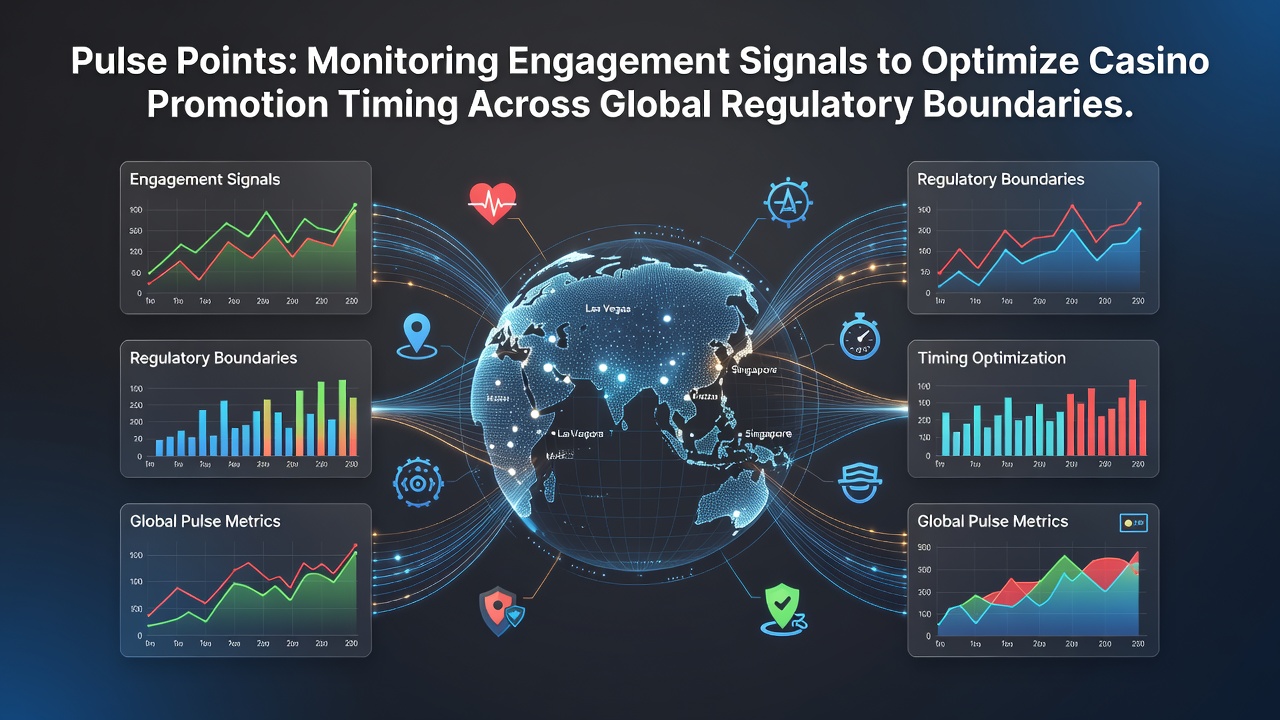
Engagement signals serve as critical indicators in the casino sector, where operators track user interactions such as session lengths, deposit frequencies, and response rates to promotional content. These metrics help align campaign launches with peak activity windows while navigating distinct rules in various jurisdictions. Data from multiple markets shows that timing adjustments based on these signals can improve compliance outcomes and revenue patterns without violating local restrictions.
Defining Key Engagement Metrics in Regulated Environments
Operators monitor several core signals including click-through rates on targeted offers, average time spent on gaming platforms, and patterns in player deposits or withdrawals. Research indicates these elements fluctuate based on time zones, cultural events, and regulatory calendars. For instance, session durations often extend during evening hours in European markets, whereas North American operators note spikes tied to weekend sports schedules. Analysts compile this information from platform analytics tools that aggregate anonymized user data across borders.
Regulatory boundaries add layers of complexity because promotion windows differ sharply. In jurisdictions like New Jersey, operators must adhere to strict advertising guidelines that limit push notifications during certain hours, while markets such as Singapore require pre-approval for all bonus structures. Those who study these variations find that syncing engagement peaks with approved time slots reduces the risk of compliance issues. A report from the Nevada Gaming Control Board highlights how data-driven scheduling has supported steady activity levels in state-licensed operations throughout 2025 and into mid-2026.
Regional Differences Shaping Promotion Schedules
Global regulatory frameworks create distinct operational rhythms. European countries often enforce cooling-off periods and spending caps that influence when operators can deploy time-limited offers, whereas Asian markets emphasize licensing renewals that affect annual campaign planning. Observers note that Australian operators adjust their approaches around local responsible gambling codes, which mandate specific disclosure timings in promotional materials. These rules interact with engagement data, since players in each region respond differently to urgency-based messaging.
Cross-border operators frequently segment their audiences by regulatory zone to avoid conflicts. Data from platform logs reveals that campaigns launched during local holidays or major sporting events generate higher interaction rates, provided they meet disclosure requirements. In June 2026, several operators referenced updated guidelines from the Casino Regulatory Authority of Singapore when planning mid-year promotions, ensuring alignment with both engagement trends and licensing conditions.
Tools and Techniques for Signal Monitoring

Modern monitoring relies on integrated dashboards that combine behavioral data with regulatory calendars. These systems flag optimal windows by cross-referencing real-time metrics against jurisdiction-specific rules. Teams often use heatmaps of user activity alongside automated alerts for upcoming compliance deadlines. Studies from industry research groups show that platforms incorporating machine learning can predict engagement surges up to 48 hours in advance, allowing preemptive content adjustments.
Case examples from multi-jurisdictional operators demonstrate practical application. One group operating across Canadian provinces and select U.S. states reported improved response rates after shifting email campaigns to align with provincial lottery draw times. Another instance involved tracking deposit patterns in Malta-licensed entities, where signals pointed to higher activity immediately following regulatory announcements. These adjustments stayed within permitted parameters because teams referenced current guidelines from bodies such as the Casino Regulatory Authority of Singapore during planning phases.
Impact of Timing on Compliance and Performance
Proper timing reduces exposure to regulatory scrutiny while supporting consistent player interaction. Figures from various gaming authorities reveal that promotions delivered outside restricted periods experience fewer interruptions or required modifications. Engagement data collected in early 2026 indicated stronger patterns when offers coincided with approved promotional calendars rather than arbitrary launch dates. Operators who integrate these signals into their workflows report smoother coordination across teams handling legal review and creative development.
Seasonal factors also play a role. Summer months in the Northern Hemisphere often coincide with increased travel-related device usage, which influences session lengths on mobile platforms. At the same time, certain markets impose additional verification steps during high-traffic periods to meet anti-money laundering standards. Analysts track these intersections through combined datasets that merge engagement logs with regulatory filings, producing schedules that respect both player behavior and legal boundaries.
Conclusion
Monitoring engagement signals provides operators with structured methods for scheduling promotions that respect global regulatory differences. By combining behavioral metrics with jurisdiction-specific calendars, teams achieve alignment that supports ongoing activity levels. Evidence from regulatory reports and platform analytics continues to guide refinements in these processes as markets evolve through 2026 and beyond.