Synchronizing Cross-Channel Signals to Track Player Progression Through Regulated Gambling Ecosystems

Operators in regulated gambling markets rely on synchronized cross-channel signals to follow player activity from initial registration through ongoing engagement and retention phases, and data integration across mobile applications, desktop platforms, and physical casino terminals creates unified profiles that support compliance reporting requirements. Systems combine behavioral metrics such as deposit patterns, session durations, and game selections with location-based identifiers to maintain accurate records that align with jurisdictional standards, while July 2026 saw several North American regulators publish updated technical guidelines that emphasize real-time data reconciliation across these channels.
Core Components of Signal Synchronization
Player identifiers, transaction logs, and engagement timestamps form the foundational elements that platforms aggregate through application programming interfaces, and these data points flow into centralized dashboards that update continuously as users switch between devices or visit physical venues. Research from industry analytics providers shows that matching unique player tokens across channels reduces duplication errors by up to 40 percent in multi-jurisdictional operations, while timestamp synchronization protocols ensure sequence accuracy even when network latency varies between regions.
Those who manage large-scale deployments note that event-driven architectures outperform batch processing methods because they capture progression events as they occur rather than at scheduled intervals, and this approach supports timely responses to regulatory queries about player activity thresholds. Integration layers often incorporate machine learning models that flag inconsistencies in signal streams, which allows technical teams to correct mismatches before they affect compliance audits.
Regulatory Alignment Across Jurisdictions
Regulated ecosystems require operators to demonstrate that player progression data remains traceable and auditable, and frameworks established by bodies such as the iGaming Ontario and the Nevada Gaming Control Board specify minimum standards for data retention and cross-channel verification. In July 2026 regulators in several U.S. states released joint guidance documents that outline acceptable methods for reconciling online and retail signals while preserving player privacy protections, and these documents reference encryption standards and access logging procedures that mirror requirements already in place in European markets.
Operators must also accommodate varying definitions of responsible gaming triggers across borders, which means synchronization systems include configurable rule sets that apply jurisdiction-specific thresholds without disrupting global data pipelines. Evidence from compliance reports indicates that platforms with modular rule engines experience fewer audit findings compared with those using static configurations, because they adapt quickly when new thresholds take effect.
Technical Implementation Patterns
Modern synchronization solutions employ event streaming platforms that ingest signals from disparate sources and normalize them into standardized schemas, and these schemas typically include fields for channel type, device fingerprint, and geographic coordinates that satisfy multiple regulatory checklists simultaneously. Middleware components handle format translation between legacy casino management systems and newer mobile frameworks, which enables operators to incorporate existing hardware investments rather than replacing entire infrastructures.
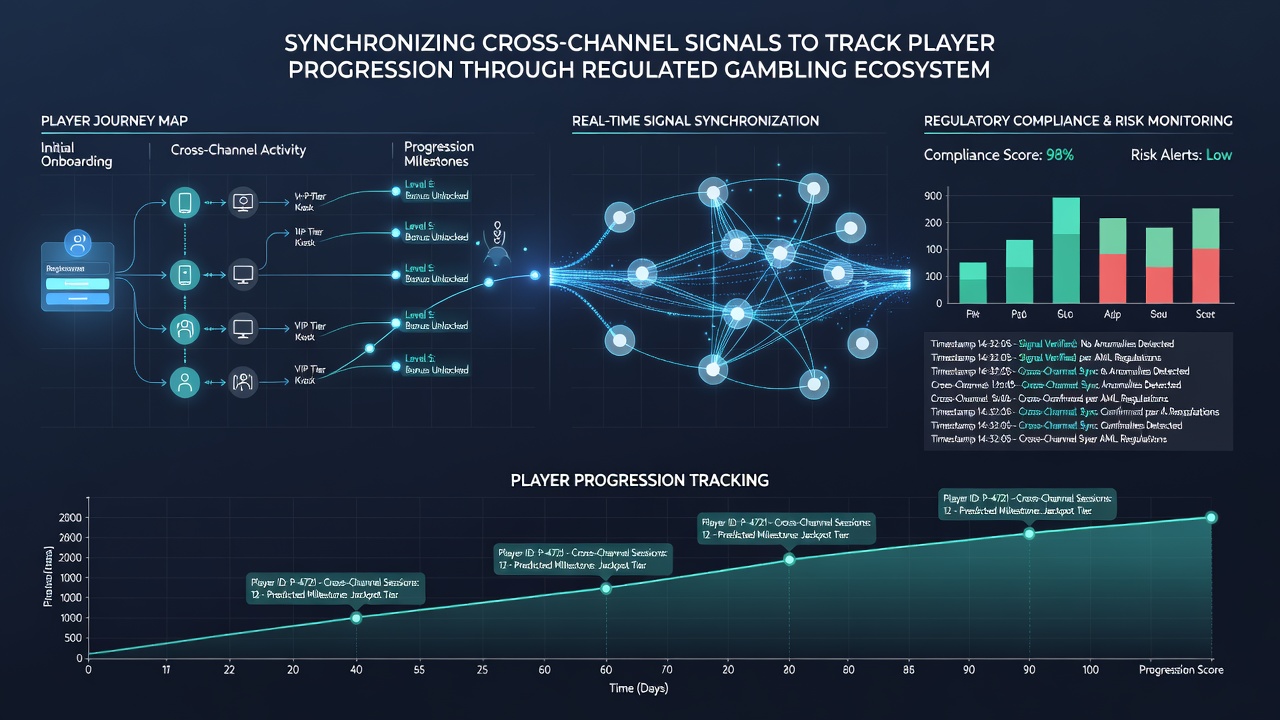
Testing environments replicate production signal volumes to validate latency targets under peak conditions, and organizations that conduct quarterly stress tests report higher system reliability during major sporting events when transaction spikes occur across multiple channels. Documentation from technical working groups highlights the value of open standards such as those promoted by the European Gaming and Betting Association for ensuring interoperability between vendors while maintaining audit trails that regulators can review independently.
Operational Outcomes and Measurement
Organizations that implement synchronized tracking observe improvements in conversion metrics because they identify friction points where players drop off between channels, and these insights drive targeted interventions that respect responsible gaming parameters. Retention teams use progression heatmaps derived from unified datasets to schedule communications that align with individual activity cycles rather than generic calendar triggers, and such timing precision correlates with higher engagement rates in markets where promotional frequency faces regulatory caps.
Case examples from multi-state operators demonstrate that consolidated reporting reduces the manual effort required for monthly submissions by approximately 30 percent, because automated reconciliation replaces spreadsheet-based data merging. Observers note that these efficiencies become especially relevant when jurisdictions introduce new reporting formats on short notice, as synchronized systems can generate compliant outputs with minimal reconfiguration.
Conclusion
Synchronized cross-channel signals enable regulated gambling operators to maintain comprehensive player progression records that satisfy both operational and compliance objectives, and continued refinement of integration standards through 2026 supports scalable implementations across expanding markets. Technical and regulatory developments continue to shape the precise methods organizations employ to achieve these outcomes while preserving data integrity and audit readiness.