Synchronizing push notification cadences with jurisdictional audit cycles to sustain affiliate referral integrity in multi-license betting networks
Written by Alex Walter · Aug 10, 2026
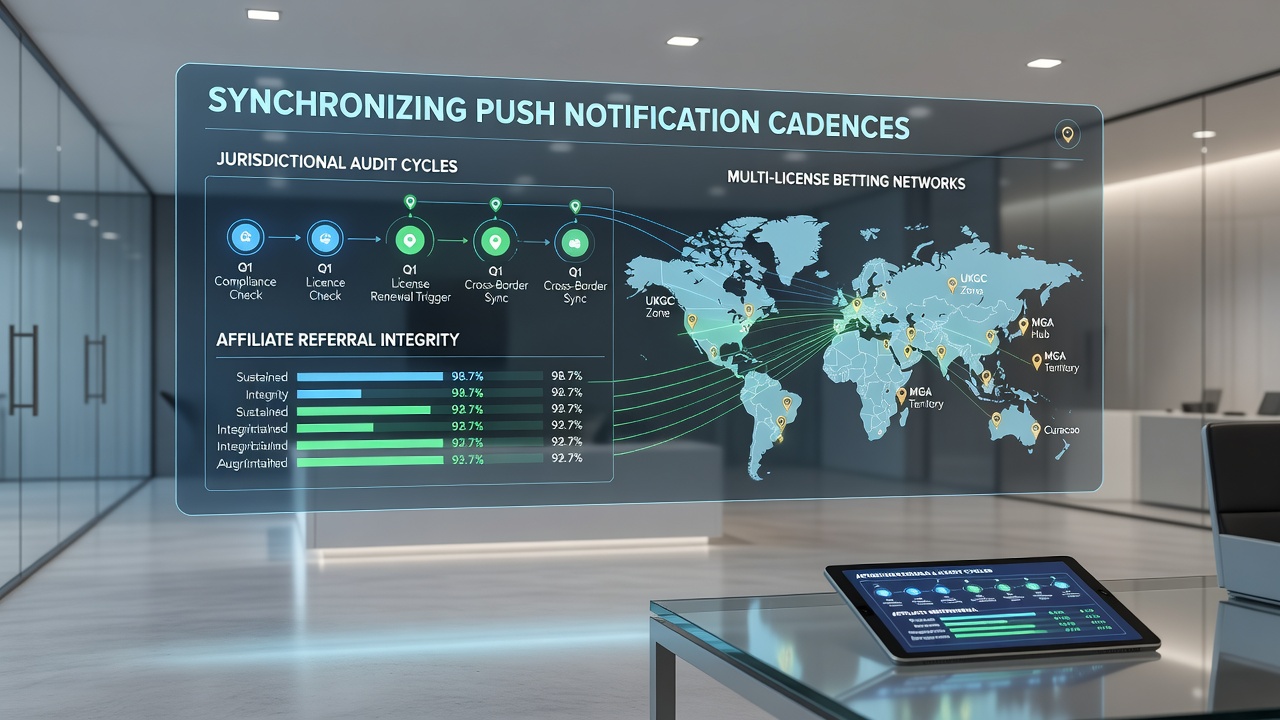
Synchronizing push notification cadences with jurisdictional audit cycles to sustain affiliate referral integrity in multi-license betting networks
Multi-license betting networks operate under overlapping regulatory frameworks where each jurisdiction imposes distinct audit cycles that directly influence how affiliate referrals get tracked and verified, and operators find that aligning push notification schedules with these cycles reduces discrepancies in referral data during compliance reviews. Data from regulatory filings shows that networks maintaining synchronized cadences report fewer attribution conflicts when auditors examine player acquisition records across state and national borders.
Mapping audit timelines across key jurisdictions
Regulators in different regions conduct audits on staggered schedules, with some states requiring quarterly submissions while others enforce semi-annual or annual checks, and this variation creates windows where unsynchronized notifications can trigger duplicate or missing entries in affiliate tracking systems. Observers note that networks holding licenses in both North American and European markets must reconcile these timelines because a notification sent during an active audit period in one jurisdiction may register activity that auditors in another region flag as unverified.
The New Jersey Division of Gaming Enforcement publishes audit guidelines that specify data retention periods for referral sources, while similar frameworks in Australian states require operators to demonstrate that promotional communications do not interfere with integrity checks, and these requirements shape how networks time their outreach. Research indicates that operators who cross-reference these published schedules achieve higher consistency in referral reporting because notifications arrive outside audit windows when possible.
Push notification mechanics and referral tracking
Push notifications function as direct engagement tools that can prompt players to complete actions such as deposits or account verifications, yet each notification carries metadata that auditors examine to confirm the referral path remains intact. When cadences fall out of alignment with audit periods, systems may log events that appear to originate from multiple sources, creating integrity gaps that multi-license operators must resolve before license renewals proceed.
Technicians adjust delivery intervals based on jurisdiction-specific rules, spacing messages so that peak activity periods do not overlap with document submission deadlines, and this approach preserves the chain of referral attribution that affiliate partners rely upon for compensation calculations. Figures reveal that networks implementing such adjustments experience measurable reductions in disputed referral claims during cross-border audits.
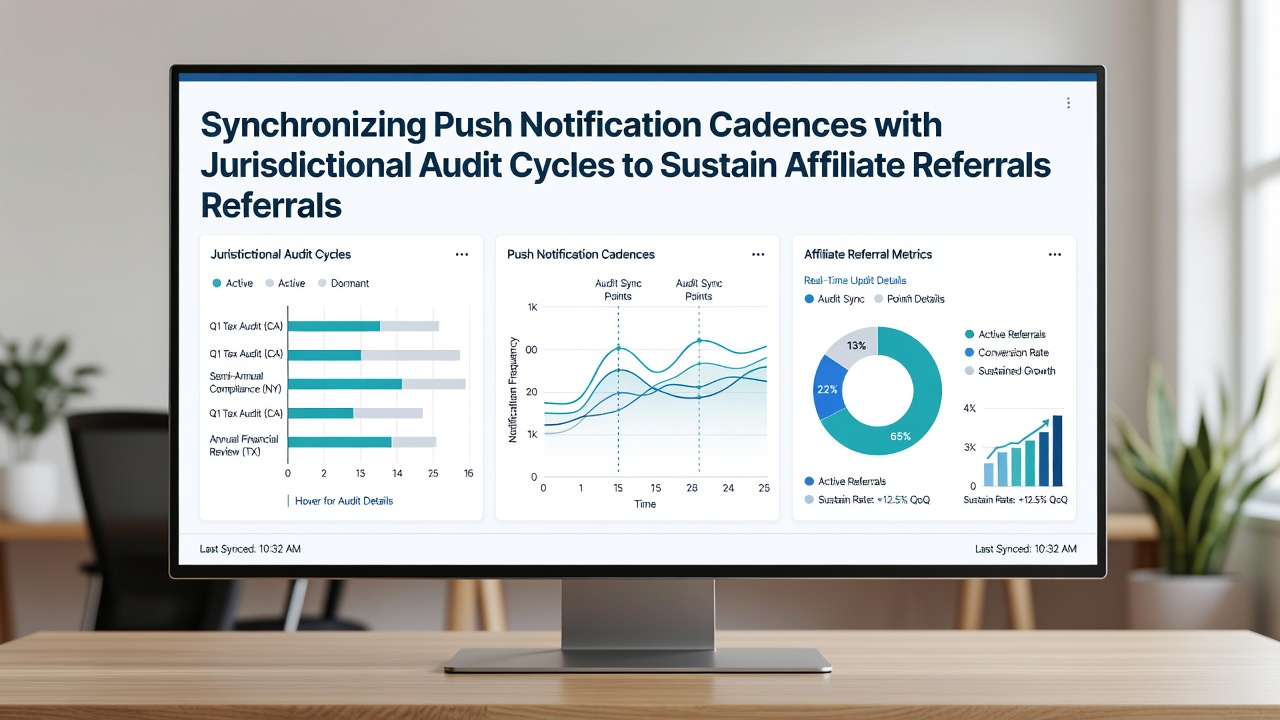
Technical integration of cadence controls
Compliance platforms now incorporate calendar modules that ingest audit dates from multiple regulatory bodies, allowing automated systems to throttle or accelerate notification volumes accordingly, and these modules connect directly to affiliate management software so that referral tags remain consistent even when delivery patterns shift. In August 2026 several networks updated their integration layers to include real-time flags that pause campaigns when an audit window opens in any licensed jurisdiction.
Engineers test these controls by simulating audit conditions and measuring how referral integrity metrics respond, and the results demonstrate that preemptive synchronization prevents the metadata mismatches that previously required manual reconciliation. Networks report that such testing protocols have become standard practice because regulators increasingly request evidence of proactive timing measures during license reviews.
Case examples from multi-license operations
One network operating across five jurisdictions adjusted its notification frequency to respect quarterly audits in two regions and annual reviews in three others, resulting in referral records that passed simultaneous inspections without adjustment, and similar patterns appear in industry reports where coordinated timing reduced audit-related queries by measurable margins. Another operator applied the same principle after expanding into an additional market and found that aligning cadences early prevented the attribution conflicts that had affected earlier expansions.
Industry associations document these adaptations through case studies that highlight how technical teams map notification triggers against regulatory calendars, and the shared data helps newer entrants avoid common timing pitfalls that surface during multi-license audits.
Conclusion
Operators who maintain synchronized push notification cadences with jurisdictional audit cycles demonstrate stronger referral integrity across their multi-license portfolios because the alignment minimizes metadata conflicts that auditors examine. As regulatory calendars evolve and additional markets open, networks continue to refine these controls through ongoing integration updates and testing procedures that keep referral pathways verifiable under simultaneous compliance reviews.