Vault Keys: Mapping Loyalty Content Webs That Connect Behavioral Patterns to Long-Term Player Journeys in Regulated Markets
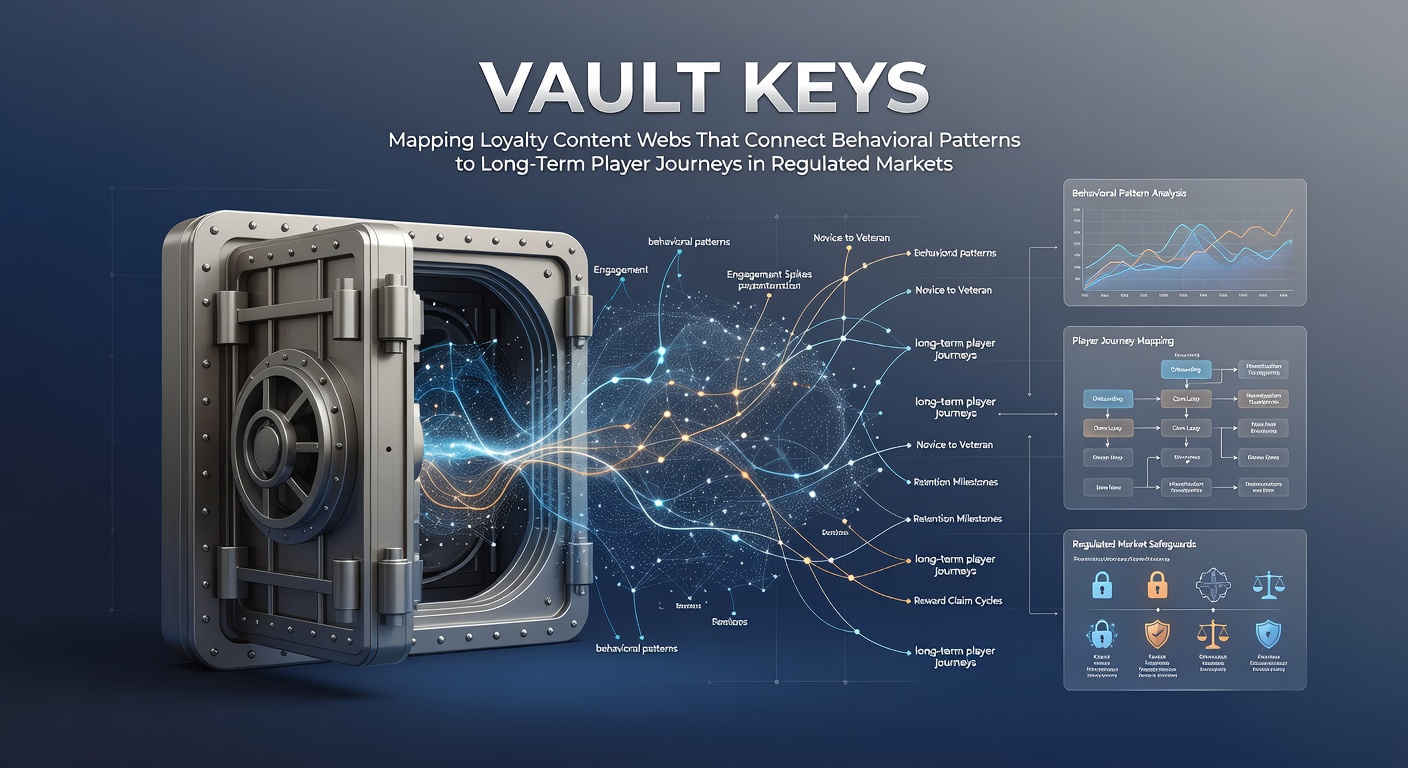
Regulated markets continue to refine how loyalty programs track player activity through structured data systems known as vault keys, which organize content webs around observed behaviors and extend those connections across extended player timelines. These frameworks pull together session data, wager patterns, and engagement signals to form pathways that operators follow while staying inside legal boundaries set by regional authorities.
Defining Vault Keys in iGaming Contexts
Vault keys function as digital identifiers that tag specific behavioral clusters and link them to content sequences designed for retention. Operators in multiple jurisdictions deploy these keys to segment players based on real-time actions rather than static profiles alone, and the resulting webs allow teams to route offers, messages, and game suggestions along routes that match documented activity histories. Data collected through these systems shows consistent correlations between early session frequency and later deposit consistency across markets in North America and Asia-Pacific regions.
Behavioral Pattern Mapping Techniques
Systems capture metrics such as average session length, game type preferences, and response rates to targeted notifications, then assign vault keys that group similar profiles together. Analysts review these groupings to identify transitions, for instance when recreational players shift toward higher-stakes formats or when time-of-day patterns change over several months. Research from the International Gaming Institute at the University of Nevada indicates that such mapping improves retention metrics by highlighting predictable sequences that emerge within the first 90 days of account activity.
One operator in the New Jersey market applied vault key segmentation to separate high-frequency evening players from weekend-only participants and adjusted content delivery accordingly, resulting in measurable lifts in repeat login rates. The approach relies on continuous data feeds rather than periodic snapshots, which allows adjustments to occur while campaigns remain active.
Connecting Patterns to Extended Player Journeys
Long-term journeys unfold across multiple stages, beginning with acquisition and moving through activation, stabilization, and potential reactivation phases. Vault keys bridge these stages by carrying behavioral tags forward so that later interactions reference earlier ones without requiring fresh data collection from scratch. In practice this means a player who first engages with slot titles receives content that gradually introduces table games only after patterns show readiness, rather than through blanket promotions that ignore individual history.
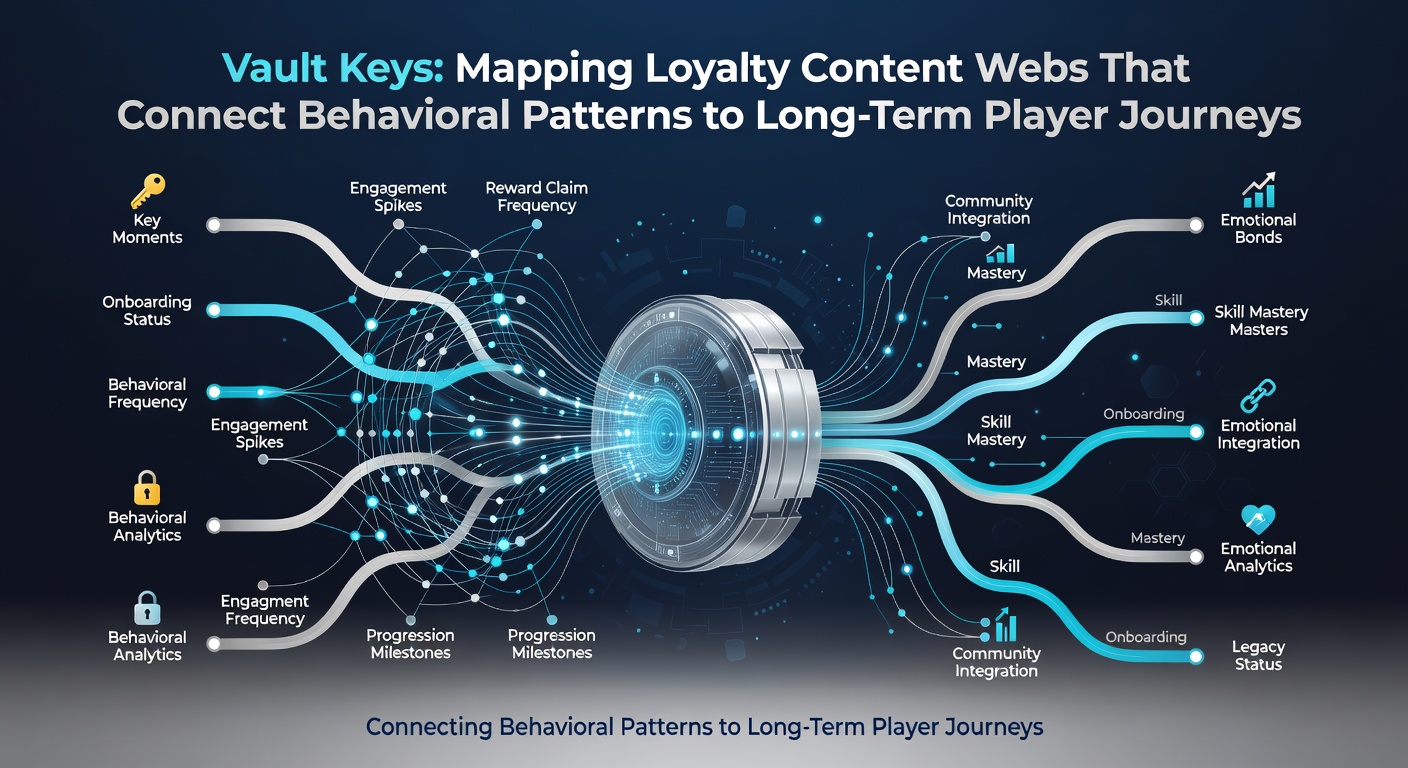
Reports released in May 2026 from the Australian Gambling Research Centre documented how operators using journey-linked vault keys reduced churn among mid-tier players by aligning reward timing with documented peak engagement windows. The same datasets revealed that players exposed to sequenced content over 12-month periods maintained higher lifetime value compared with those receiving unconnected offers.
Compliance Considerations in Regulated Markets
Every vault key deployment must align with local rules governing data collection, advertising, and responsible gambling interventions. Jurisdictions such as those overseen by the New Jersey Division of Gaming Enforcement and the Casino Regulatory Authority of Singapore require audit trails that demonstrate how behavioral mapping respects player consent and exclusion lists. Operators therefore embed compliance checkpoints directly into the content web architecture so that any offer generated through a vault key automatically respects spending limits and self-exclusion flags already recorded in the system.
Training modules developed by the Responsible Gambling Council in Canada emphasize that staff reviewing vault key outputs must verify that personalization does not override protective measures. These protocols have become standard in markets where regulators conduct regular reviews of loyalty program algorithms.
Implementation Examples Across Regions
European operators integrated vault keys into existing CRM platforms during 2025 and reported smoother transitions when expanding into new regulated states. One case involved a multi-jurisdiction operator that mapped behavioral clusters across both land-based and online properties, allowing a single key to inform experiences whether the player visited a physical venue or logged in remotely. The integration reduced duplicate data entry while preserving the distinct regulatory requirements of each location.
Industry conferences scheduled for later in 2026 continue to feature sessions on scaling these webs without increasing compliance overhead, with presenters sharing anonymized datasets that illustrate how key assignments evolve as player patterns shift over time.
Conclusion
Vault keys provide regulated operators with a method for organizing loyalty content around documented behavioral sequences that span the full duration of player relationships. By linking early actions to later stages through structured webs, these systems support retention efforts while operating within the oversight frameworks established by regional authorities. Continued refinement of mapping techniques, supported by ongoing data analysis from academic and industry sources, shapes how operators maintain compliant, effective loyalty structures across expanding markets.