Voice Query Patterns Reshaping Discovery Paths for Licensed Betting Resources
Voice query patterns continue to alter the ways users locate licensed betting resources as conversational interfaces replace traditional typed searches across multiple devices, and data from recent industry analyses show rising adoption rates for voice-enabled discovery in regulated markets. Operators track these shifts because voice interactions often produce longer, more natural phrases that differ from keyword strings used in desktop or app-based navigation. Researchers note that phrases such as “find legal sportsbooks near me open now” or “best licensed poker apps for beginners” appear with increasing frequency in logs collected by major platforms.
Current Voice Search Trends in Regulated Markets
Analysts from various regions document steady growth in voice queries tied to gambling topics throughout 2025 and into 2026, with figures from Australian regulatory filings indicating that voice traffic to licensed sites rose noticeably during the first half of the year. In June 2026, monitoring reports highlighted similar increases in parts of North America where state and provincial rules permit online betting, and those reports link the uptick to wider availability of smart speakers in households. Patterns reveal that users frequently include compliance-related terms such as “licensed,” “regulated,” or “legal in my state” when issuing spoken requests, which forces content teams to adjust metadata and page structures accordingly.
Conversational phrasing tends to favor questions over commands, and studies of search logs show that queries beginning with “how do I” or “where can I” now account for a larger share of discovery traffic than they did three years earlier. This shift influences how licensed operators structure informational content because voice assistants prioritize direct answers drawn from structured data and authoritative sources. Those who manage betting platforms therefore invest in schema markup that answers location-based and eligibility questions in formats easily parsed by voice systems.
Impact on Discovery Paths for Licensed Operators
Traditional search engine optimization strategies focused on short keywords give way to approaches that accommodate full sentences and follow-up questions when voice interfaces mediate the interaction. Licensed betting resources must now appear in featured snippets and knowledge panels because voice assistants often read those elements aloud instead of listing multiple links. Data collected by platform analytics teams indicate that pages optimized for spoken queries receive higher referral rates from voice sessions than pages relying solely on legacy text optimization.
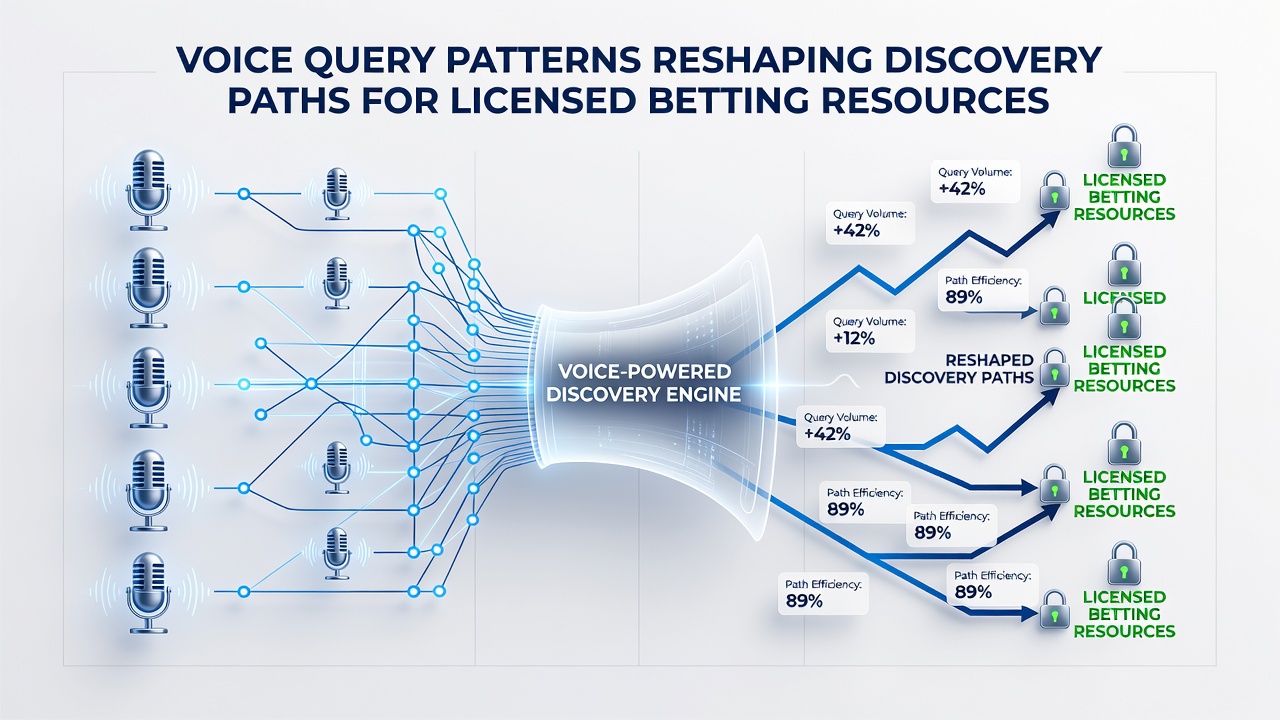
Regional regulatory bodies track these changes as well. Reports issued under Australia’s Interactive Gambling Act document how voice-driven traffic routes users toward state-approved operators when location and age-verification signals match licensing requirements. Similar observations appear in Canadian provincial summaries where voice queries mentioning “Ontario” or “British Columbia” correlate with increased visits to authorized domains. Operators respond by creating dedicated landing pages that mirror common spoken phrases and embed clear eligibility statements.
Technical Adjustments and Compliance Considerations
Development teams update site architectures to support voice-first indexing by incorporating natural language processing tags and ensuring that answers to common questions remain concise enough for audio playback. Compliance departments review these pages to confirm that all required disclaimers and licensing details appear within the first few spoken sentences. Research from academic centers studying digital media consumption shows that users retain information better when regulatory disclosures accompany the initial voice response rather than appearing later in a conversation.
Platform providers also adjust paid advertising campaigns because voice assistants surface sponsored results differently than visual search pages. Campaigns now emphasize location-specific and regulation-specific triggers that match the longer queries users actually speak. Those adjustments produce measurable changes in click-through behavior, according to aggregated performance data shared at industry conferences in early 2026.
Future Outlook and Measurement Approaches
Measurement frameworks continue to evolve as voice platforms release new reporting tools that segment traffic by input method. Operators combine these datasets with traditional web analytics to understand which content formats convert spoken queries into completed registrations. Cross-border affiliate networks monitor the same patterns because regulatory shifts in one jurisdiction can redirect voice traffic toward or away from particular licensed domains.
Academic papers published by gaming research centers examine how voice query length and specificity affect conversion funnels in regulated environments, and early findings suggest that longer, intent-rich phrases lead to higher-quality sessions when the destination site matches the spoken criteria exactly. Industry organizations compile these insights into shared benchmarks that help smaller operators align their content strategies with observed user behavior.
Conclusion
Voice query patterns have established new discovery routes that licensed betting resources must navigate through technical updates, content restructuring, and ongoing compliance verification. Reports from regulatory bodies and research institutions across multiple jurisdictions document consistent growth in conversational search volume and corresponding changes in referral traffic. Operators that adapt page structures and metadata to accommodate spoken language maintain visibility within voice ecosystems while satisfying licensing conditions. Continued monitoring of these patterns through June 2026 and beyond will determine which technical and editorial approaches deliver sustained results across different regulatory landscapes.